
I still remember the first time someone asked me, over coffee in Sydney, whether lab-grown diamonds were “real.” Not fake-real, not costume-real, but actually real. I paused longer than I expected. Because, honestly, it’s not a silly question — and if you haven’t been deep in the jewellery world lately, you might not know just how much has changed.
Diamonds used to be simple. Or at least we thought they were. You went into a jeweller, picked something sparkly, trusted the price tag, and that was that. These days, though, the conversation has shifted. People are asking sharper questions. Ethical ones. Practical ones. Financial ones. And right at the centre of it all sits the growing debate around lab grown vs natural diamonds.
As someone who’s spent years writing about lifestyle, luxury, and consumer trends — mostly from an Australian perspective — I’ve watched this shift happen in real time. And I’ll admit, I was surprised by how nuanced the answer turned out to be.
So let’s talk about it. Not in a salesy way. Not in a preachy way. Just honestly.
Diamonds, but make it modern
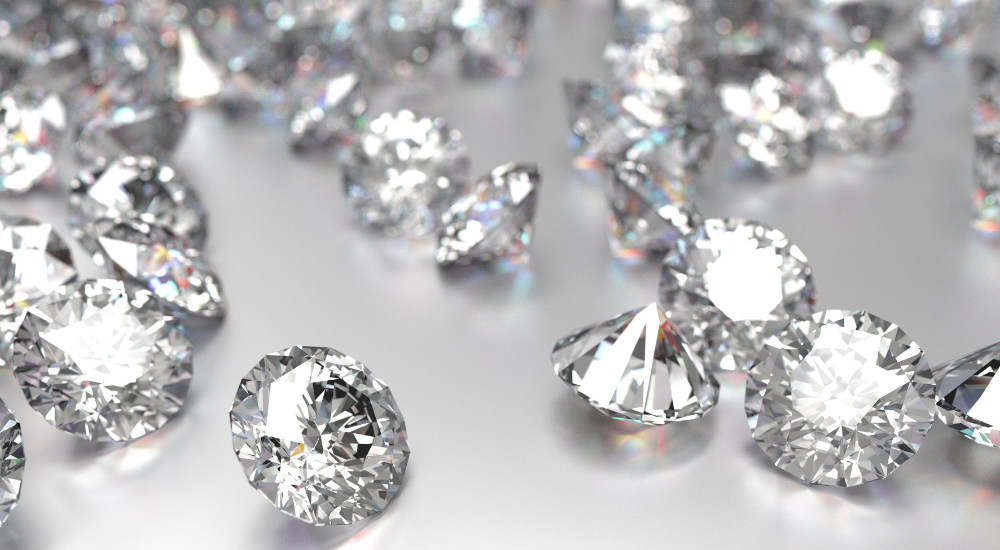
Here’s the thing most people don’t realise at first: lab-grown diamonds aren’t imitations. They’re not cubic zirconia. They’re not moissanite. They’re chemically, physically, and optically identical to natural diamonds.
Same carbon structure. Same sparkle. Same hardness.
The only real difference? Where they come from.
Natural diamonds are formed underground over billions of years, under immense heat and pressure. Lab-grown diamonds are created in controlled environments that replicate those same conditions — just a lot faster. Weeks instead of millennia.
And when you put them side by side? Even trained gemologists need specialised equipment to tell them apart.
That alone tends to stop people mid-sentence.
Why Australians are paying attention
If you’ve noticed more jewellers across Melbourne, Brisbane, and Perth quietly expanding their lab-grown collections, you’re not imagining things. Australian buyers, especially younger couples, are practical. We care about value. We care about sustainability. And we definitely care about transparency.
Lab-made diamonds tick a lot of those boxes.
They’re typically 30–50% more affordable than their natural counterparts, which means buyers can either save money or choose a larger, higher-quality stone for the same budget. In a country where property prices already stretch people thin, that matters more than brands like to admit.
Then there’s the environmental side of things. While no diamond is completely impact-free, lab-grown stones generally avoid the large-scale land disruption associated with mining. For buyers who lose sleep over ethical sourcing — and there are many — that’s a big deal.
The emotional pull of natural diamonds
Still, it’s not all logic and spreadsheets.
Natural diamonds carry history. Romance. A kind of inherited symbolism that lab-grown stones, at least for now, don’t fully replicate. Some people like knowing their diamond formed long before humans existed. There’s poetry in that.
I’ve spoken to couples who said, “We just wanted something ancient.” And you know what? That’s valid.
For others, family tradition plays a role. Heirloom jewellery, passed down through generations, almost always features natural diamonds. Choosing one can feel like continuing a story rather than starting a new chapter.
So when people frame the debate as right versus wrong, it misses the point. This isn’t about morality — it’s about priorities.
Let’s talk resale (because someone always asks)
Ah yes, resale value. The quiet question everyone Googles but rarely asks out loud.
Natural diamonds have traditionally held resale value better, largely because of market perception and controlled supply. Lab-grown diamonds, being newer and more scalable, tend to depreciate faster.
But here’s the uncomfortable truth: most people don’t resell engagement rings. They’re not assets in the way property or shares are. They’re emotional purchases. Sentimental ones.
If resale is genuinely important to you, that may tip the scale toward natural diamonds. If not? It probably shouldn’t be the deciding factor.
Where lab-made diamonds really shine
What fascinates me most is how lab made diamonds are changing the creative side of jewellery design. Because they’re more affordable and consistent in quality, designers can experiment more freely.
Bigger centre stones. Unusual cuts. Custom pieces that would’ve been financially unrealistic a decade ago.
I’ve seen couples design rings that reflect them, not just tradition. And that freedom? It’s refreshing.
This is also where natural, context-based mentions matter. If you’re researching deeper comparisons between lab grown vs natural diamonds, some jewellers and educational platforms explain the nuances beautifully without pushing one option too hard. When you stumble across those resources organically, it feels less like marketing and more like guidance — which, frankly, is how it should be.
So… which one is better?
I wish there were a neat answer.
If you value tradition, rarity, and long-term perception, natural diamonds still hold their ground. If you care about affordability, ethics, and modern values, lab-grown diamonds make a compelling case.
Neither choice says anything bad about you.
And that’s the part I think gets lost online. People want validation more than information. They want to know they’re making the “right” choice.
The truth? The right choice is the one that lets you sleep at night — and smile when you look at your hand.
A quiet shift, not a takeover
Despite the headlines, lab-grown diamonds aren’t replacing natural ones overnight. What’s happening is subtler. The market is expanding, not splitting. Buyers have more control, more knowledge, and more confidence.
That’s a good thing.
I’ve noticed jewellers becoming less defensive, too. Instead of steering clients toward one option, many now ask better questions: What matters to you? What’s your budget? What story do you want this piece to tell?
That shift alone tells me the industry is listening.
Final thoughts, over another coffee
If you’d asked me years ago where I stood on this debate, I probably would’ve shrugged and said, “Natural, obviously.” But learning more — and listening to real people, not marketing copy — changed that.
These days, I don’t see lab-grown diamonds as a threat to tradition. I see them as an evolution. A response to how people live, love, and spend now.
Whether you choose mined or lab-created, the diamond itself isn’t what gives it meaning. You do.


More Stories
Discover the Beauty of Lab Grown Diamond Earrings
Why Oval Engagement Rings Are Quietly Becoming Everyone’s Favourite Choice
Hidden Halo Engagement Ring Guide With Lab Diamond Insight