
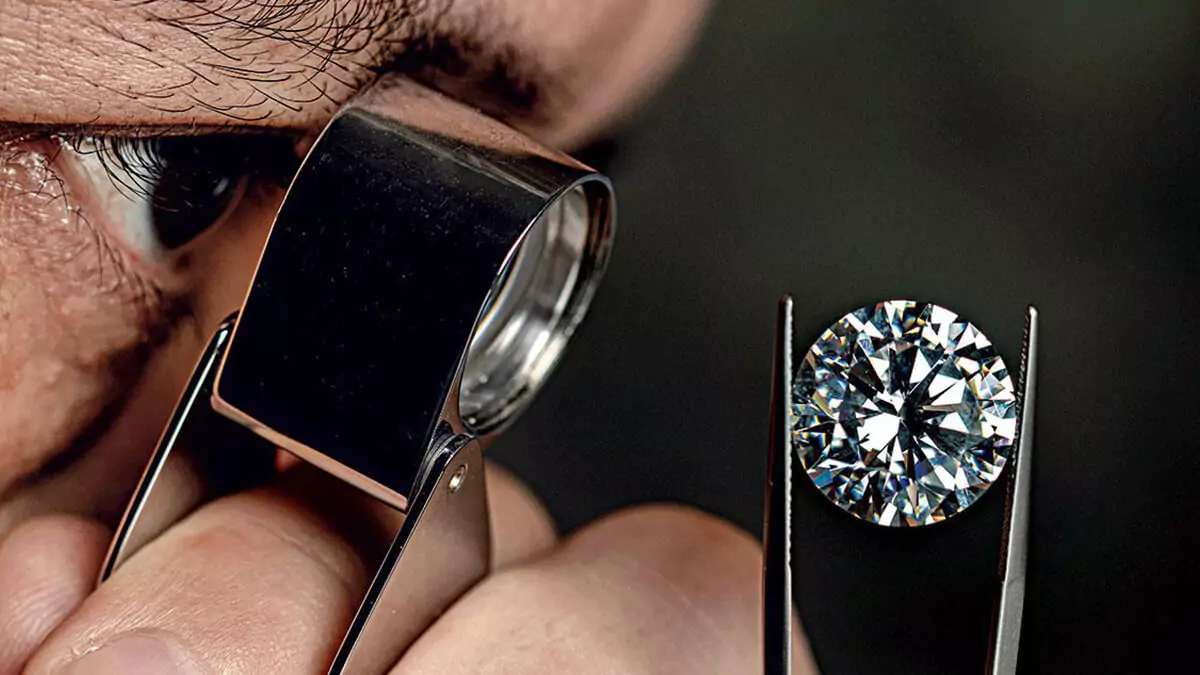
Lab grown diamonds have gained immense popularity in recent years, offering a sustainable and ethical alternative to mined stones. Two primary methods are used to create these diamonds: hpht vs cvd. While both produce real diamonds with identical physical and chemical properties to natural ones, the processes and characteristics can differ in subtle ways. Understanding these differences can help buyers make informed decisions.
What is HPHT?
HPHT stands for High Pressure High Temperature. This method replicates the natural conditions in which diamonds form deep within the earth. A small lab diamonds seed is placed in a press, and carbon is added. Extremely high pressure and temperature are applied, causing the carbon to crystallize around the seed.
HPHT diamonds are often known for their high clarity hpht vs cvd and ability to achieve certain color grades naturally. This process has been used for decades, initially for industrial diamonds, but advancements have made it a reliable choice for gem quality stones.
What is CVD?
CVD stands for Chemical Vapor Deposition. In this method, a thin diamond seed is placed in a chamber filled with a carbon rich gas, such as methane. The gas is heated until it breaks down, and carbon atoms begin to deposit on the seed layer by layer. Over time, this builds a diamond crystal.
CVD diamonds are often grown in a lower pressure environment compared to HPHT. This process allows more control over impurities and can produce very pure type IIa diamonds, which are rare in nature and highly valued for their exceptional optical qualities.
Key Differences Between HPHT and CVD
While both HPHT and CVD create genuine lab diamonds , there are several differences worth noting:
- Growth Conditions
HPHT uses extremely high pressure and temperature to mimic natural diamond formation, while CVD relies on gas deposition in a vacuum chamber. - Clarity and Color
HPHT diamonds can have metallic inclusions from the catalysts used during growth, whereas CVD diamonds may display a brownish tint that is often treated after growth. However, both methods can produce high quality colorless and near colorless stones. - Speed of Growth
HPHT tends to be faster in growing a diamond crystal compared to CVD. - Cost Factors
Both methods are cost effective compared to mining, but production costs can vary depending on the size and quality desired. - Types of Diamonds Produced
HPHT can be ideal for creating larger carat diamonds with specific color grades, while CVD is preferred for producing extremely pure type IIa diamonds.
How to Choose Between HPHT and CVD
For most buyers, the choice comes down to personal preference and the specific qualities they value in a diamond. If clarity and natural color are priorities, HPHT lab diamonds can be a good choice. If purity and rarity appeal to you, a CVD diamond might be more suitable.
It is also important to remember that both HPHT and CVD diamonds are graded by the same standards as mined diamonds. Independent gemological laboratories assess them based on the 4Cs: cut, color, clarity, and carat weight.
Misconceptions About HPHT and CVD
Some people mistakenly believe that lab grown diamonds are not real diamonds. In reality, HPHT and CVD diamonds have the same carbon structure as mined stones. The only difference is their origin.
Another misconception is that one method is inherently better than the other. In truth, both can produce high quality gems, and advances in technology are constantly improving results for both processes.
Sustainability and Ethical Considerations
One of the most significant benefits of both HPHT and CVD lab diamonds is their reduced environmental and social impact compared to traditional mining. Producing diamonds in a controlled environment eliminates the need for large scale mining, which can disrupt ecosystems and involve complex ethical issues.
This makes lab grown diamonds an attractive choice for eco conscious and ethically minded consumers.
Conclusion
When comparing HPHT vs CVD lab diamonds, the differences lie mainly in the production process, potential impurities, and growth conditions. Both methods create authentic diamonds with stunning beauty and durability.
Whether you choose HPHT or CVD, you can be confident in owning a gemstone that combines the brilliance of nature with the innovation of science, all while supporting a more sustainable and ethical jewelry industry.


More Stories
Die besten Tipps, wenn Sie eine Milchpumpe ausleihen möchten
Pulsera Riviere and Lab Diamonds: A Perfect Match of Elegance and Ethics
The Ultimate Guide to Buying Bitcoin in Australia: How Bitcoin ATM Sydney Makes It Easy